Professional Foundation Underpinning
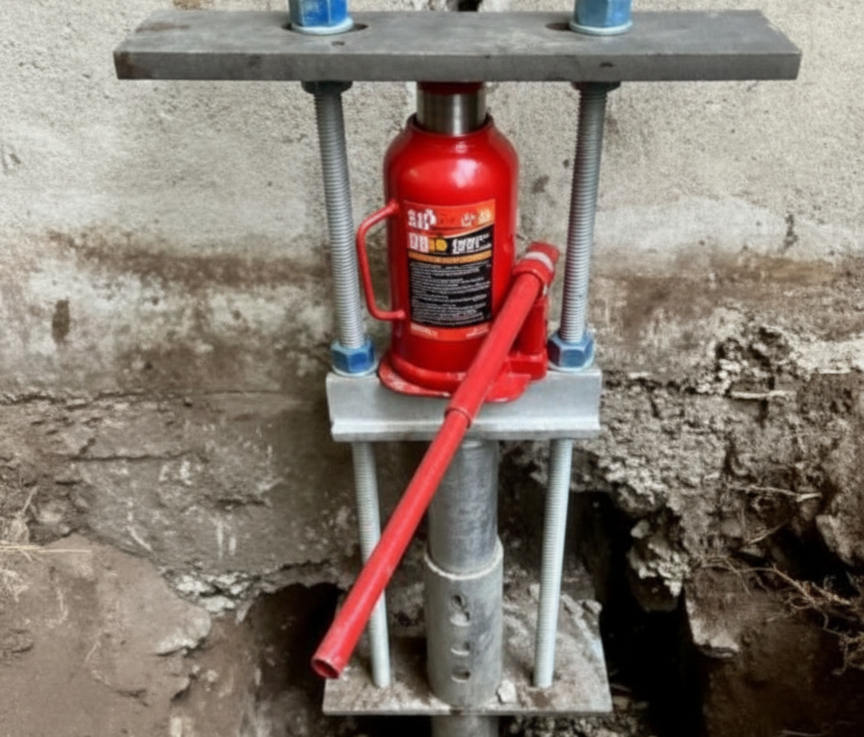
Underpinning is the work most homeowners imagine when they think of structural repair, and for good reason. When a section of footing has dropped below where it sits today, the entire structure above it follows. Drilled in piers extend down through the unstable upper soils until they reach a load bearing stratum, and from that bearing point the home can be raised back to level or simply stabilized in place. Done correctly, the repair is permanent. Done with the wrong pier spacing or the wrong installation depth, it is a deferred problem.
Our crews carry steel piers rated for the loads typical of single family construction in the Inland Northwest. We document every pier location, depth at refusal, and final load before we ship a job. That paperwork stays with the property and shows future inspectors exactly what was installed. For homeowners considering a sale in the next few years, this documentation is meaningful.
Trusted Concrete Crack Stabilization
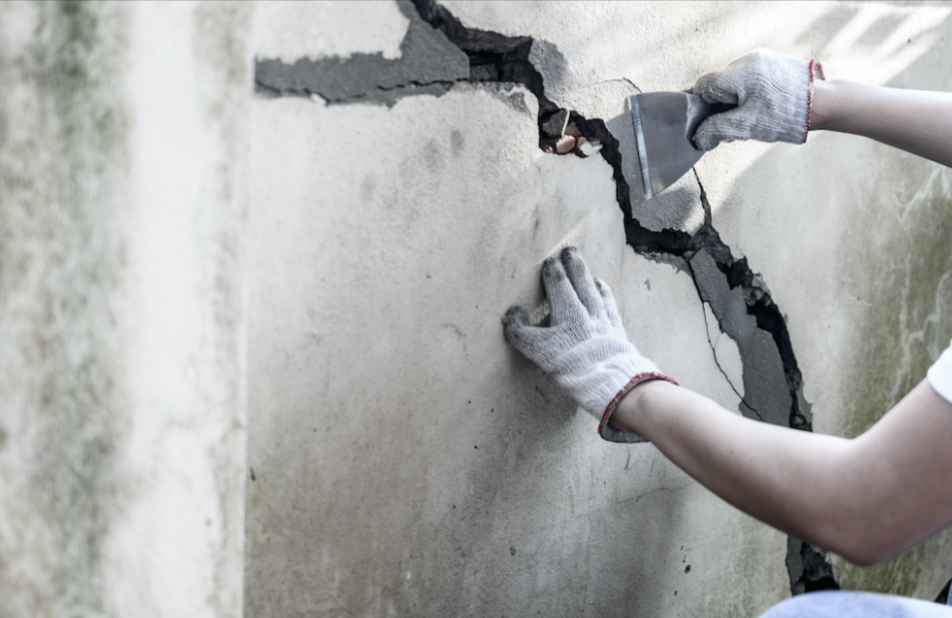
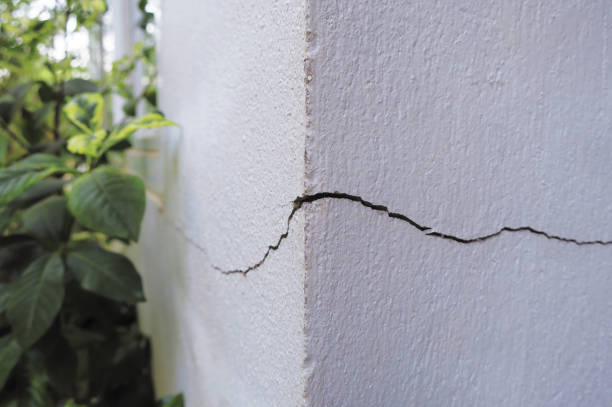
Not every crack means a failure. Hairline cracks in poured concrete from the normal cure are common and harmless. Active cracks, the ones that widen seasonally or run through the wall on a diagonal, are the ones that need work. We stabilize active cracks with low pressure epoxy or polyurethane injection that fills the void and bonds the two faces of the crack so the wall behaves as one piece again. The related concern of water under the slab often shows up alongside cracking and may need its own approach.
Crack stabilization is also the right intervention for many of the older block walls in the area. We inject through ports drilled into the mortar joints, working from the lowest point upward so the resin displaces moisture as it travels. The result is a wall that no longer leaks, no longer flexes under load, and no longer telegraphs cracks to the drywall finish above.
Expert Structural Reinforcement
When a wall has already moved, repair alone is not enough. We reinforce bowed or leaning walls with steel posts anchored at the floor and ceiling, carbon fiber straps bonded to the interior face, or wall anchors driven into stable soil on the exterior side. Each method handles a different failure mode. Steel posts stop further inward movement and can sometimes be tensioned to recover lost position over a season. Carbon fiber holds the wall in its current geometry without the visual presence of posts. Wall anchors are the option of choice when access on the exterior is available and the property allows for the small surface plates that secure the system.
We work with homeowners across homes across the Columbia River valley to choose the reinforcement that fits the home and the budget. The right answer is rarely the most expensive option. It is the option that addresses the failure mode without overbuilding for stresses the structure will never see. Call (509) 818-6131 for a free on site assessment.
More From MTU Services in Wenatchee
All Foundation Repair services
Other services in Wenatchee: Basement Waterproofing in Wenatchee · Concrete Crack Repair in Wenatchee · Concrete Cutting and Coring in Wenatchee
Foundation Repair in nearby Washington cities: Airway Heights · Cheney · Deer Park · Kennewick · Liberty Lake · Pasco · Pullman · Richland · Spokane · Spokane Valley · Yakima